
Assets
The Assets Management System is purpose-built to centralize and automate the management of organizational assets. It ensures that all equipment, tools, furniture, software, or infrastructure are recorded, monitored, and maintained with full traceability.
Its main purpose is to:
- Provide a centralized system to record and categorize assets
- Enable transparent tracking of asset allocation, movement, and usage
- Streamline maintenance, repair, and depreciation management
- Reduce losses and improve lifecycle planning
- Support financial accountability through accurate valuation and reporting

Powering Intelligent Asset Control Across the Enterprise
Organizations often struggle with scattered asset records, unclear ownership, untracked depreciation, and inefficient resource allocation across departments. The Assets Management System resolves these challenges by centralizing asset registration, lifecycle monitoring, maintenance tracking, and financial valuation into one structured platform. This enables organizations to reduce losses, improve accountability, extend asset lifespan, and maximize return on every asset investment.
Assets
Each functional component of the system is modular and scalable for easy customization.
Asset Registry
Record essential details such as asset name, category, serial code, price, quantity, and purchase date.
Asset Registry
Asset History
Track usage logs, ownership transfers, maintenance events, and performance data.
Asset History
Attachments & Documents
Store invoices, warranty papers, and compliance documents securely.
Attachments & Documents
Distribution Tracker
Manage the allocation and transfer of assets between departments or individuals.
Distribution Tracker
Defective & Deduction Log
Mark and manage defective items for withdrawal, repair, or replacement.
Defective & Deduction Log
Reporting Dashboard
Generate real-time insights into asset value, usage, and lifecycle analytics.
Reporting Dashboard

Intelligent Asset Lifecycle Platform
Centralize asset creation, lifecycle tracking, collaboration, optimization, and reporting to safeguard investments and maximize organizational resource value.
📦 1. Streamlined Asset Creation & Management
Assets are registered through structured forms that ensure consistency, accuracy, and completeness from day one. Supporting documents, depreciation values, and searchable categories create a reliable single source of truth.
Key Capabilities:
- 🧾 Record asset details, name, serial code, purchase date, and quantity
- 💰 Capture price and depreciation value for financial reporting
- 📎 Attach receipts, photos, and relevant documents
- 🔍 Search and filter assets by category, department, or owner

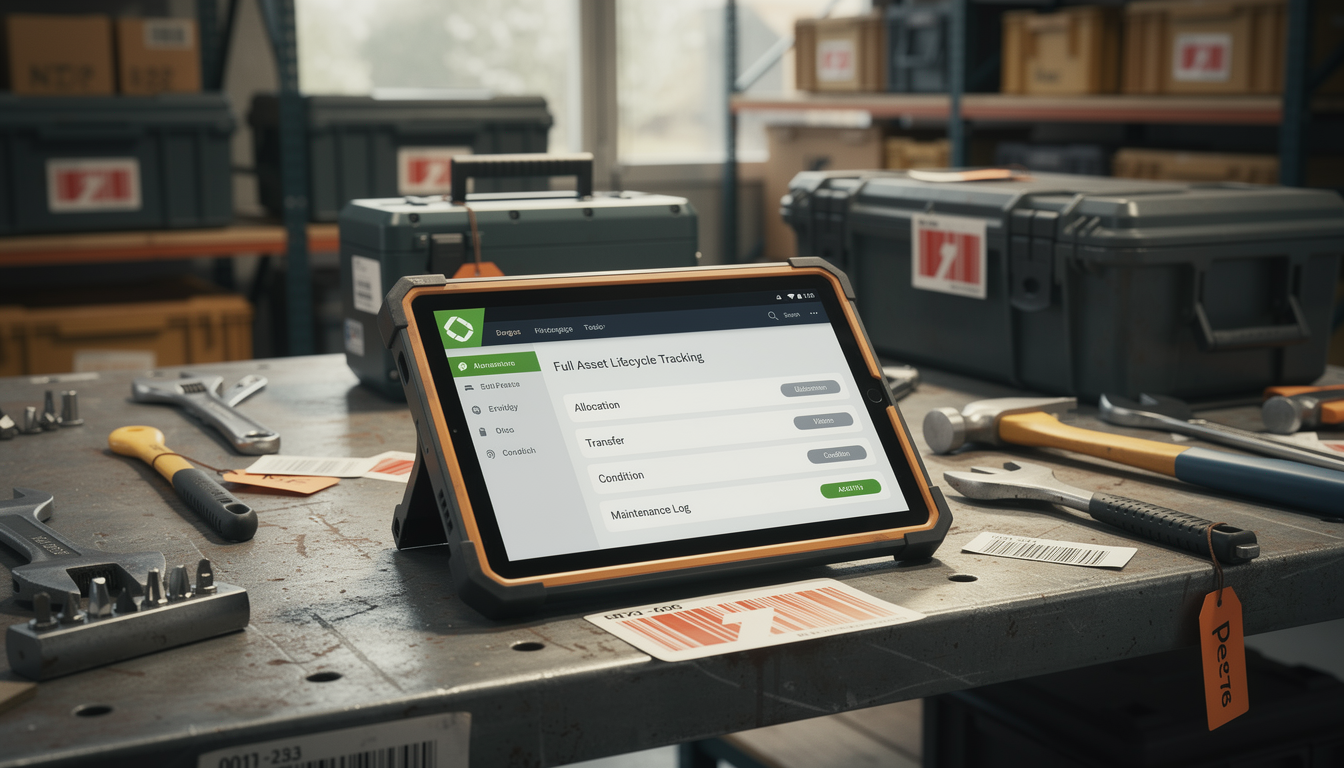
📊 2. Full Asset Lifecycle Tracking
Every asset movement, condition update, and maintenance event is tracked throughout its lifecycle. This visibility supports audits, improves planning, and prevents unnoticed asset degradation or loss.
Key Capabilities:
- 🔄 Track allocation, transfer, and withdrawal activities
- 📋 Update asset condition (active, defective, disposed, or in repair)
- 🕓 Maintain a historical log for accountability and audits
- ⚙️ Schedule maintenance or service intervals to prolong asset life
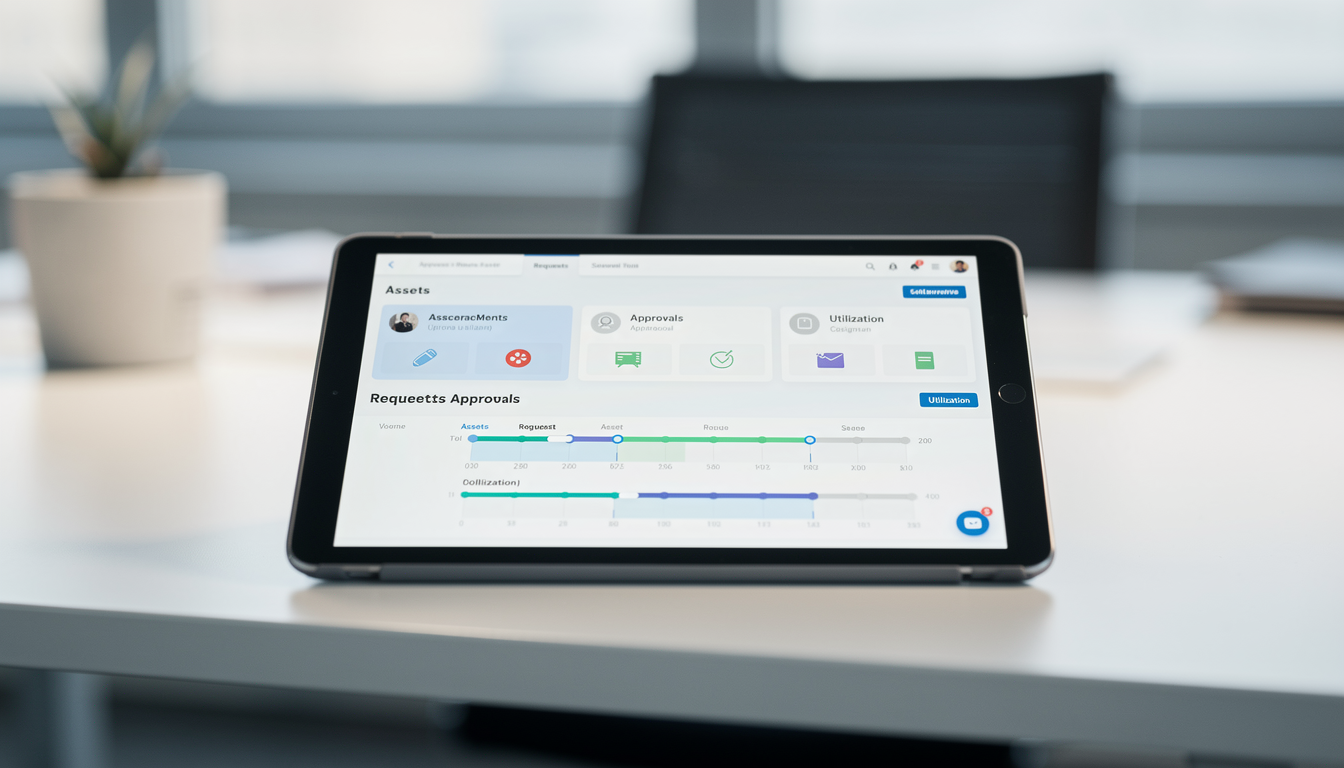
🤝 3. Team Collaboration & Accountability
Role-based access ensures that assets are assigned, approved, and monitored with clear ownership. Teams gain shared visibility while management retains governance and accountability.
Key Capabilities:
- 👥 Assign assets to specific employees or departments
- 📅 Enable role-based asset requests and approvals
- 📢 Share real-time updates on availability or maintenance schedules
- 📊 Monitor team-level asset utilization metrics for better planning
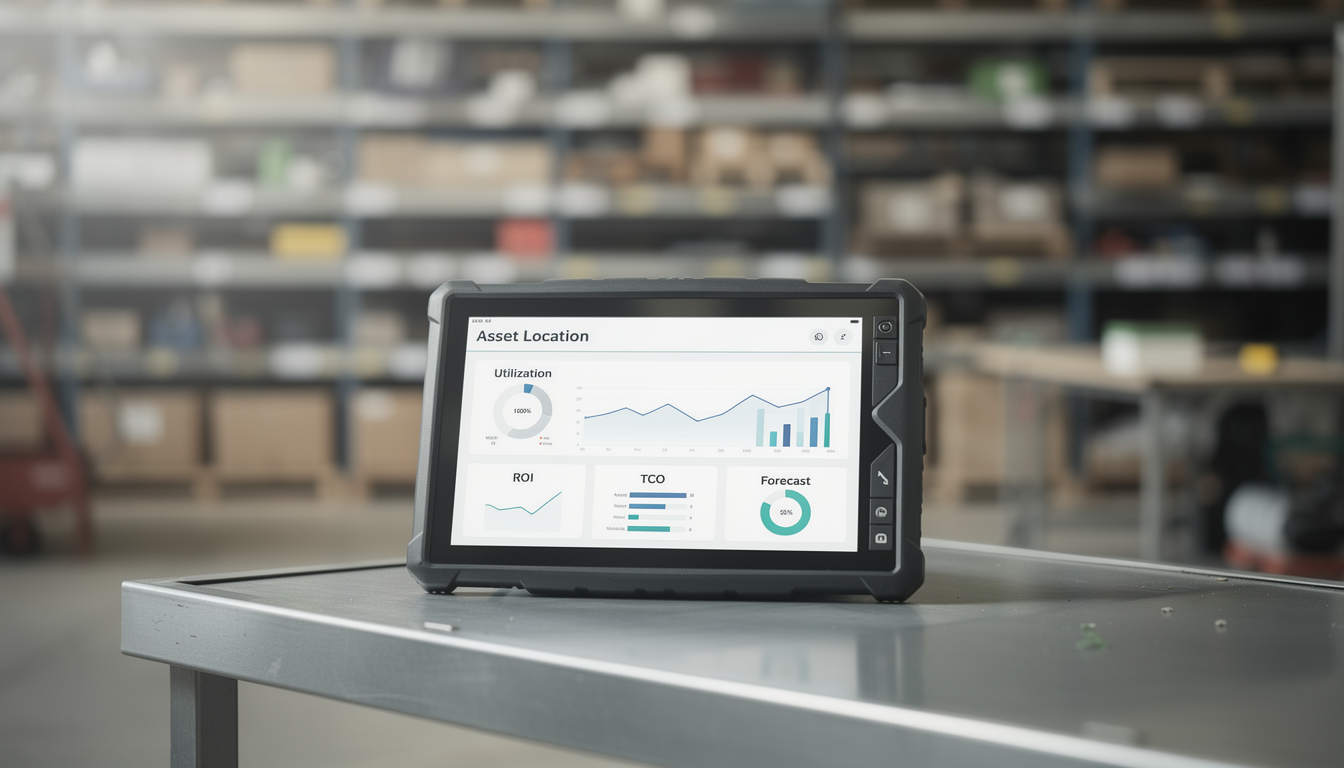
📈 4. Optimized Resource Allocation
Usage insights reveal underutilized assets and support smarter redistribution decisions. Procurement planning becomes data-driven, reducing unnecessary purchases and improving ROI.
Key Capabilities:
- 📍 Track assets by location, project, or department
- 🔄 Redistribute underutilized assets where needed
- 💵 Evaluate asset ROI and total cost of ownership
- 📈 Plan procurement based on usage data and forecasts
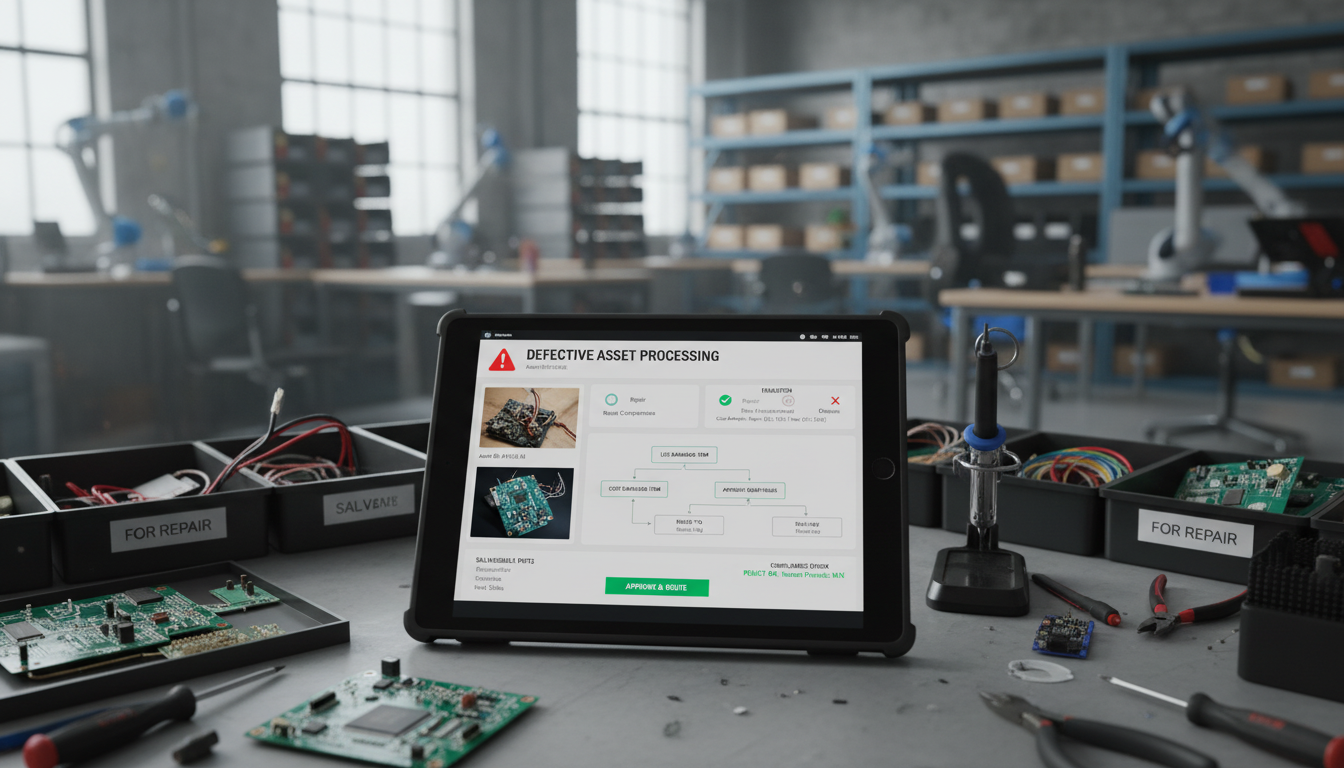
🧯 5. Defective Asset Deduction & Reuse
Defective assets are logged, evaluated, and routed for repair, reuse, or compliant disposal. This minimizes waste while recovering value from salvageable components.
Key Capabilities:
- ⚠️ Identify and log defective or damaged items
- 🔁 Approve repair or reuse requests with cost evaluation
- 📤 Dispose or retire assets in compliance with policy
- ♻️ Reuse salvaged components or parts effectively
Who Can Benefit from the System?
Any organization managing physical or digital assets requiring lifecycle visibility, accountability, maintenance control, and data-driven resource optimization.
🏢 Corporate Enterprises
Overview:
Key Benefits:
🏭 Manufacturing & Industrial Companies
Overview:
Key Benefits:
💻 IT & Technology Firms
Overview:
Key Benefits:
🏫 Educational Institutions
Overview:
Key Benefits:
🏥 Healthcare & Hospitals
Overview:
Key Benefits:
TRUSTED BY 100+ HAPPY CUSTOMERS






Latest insights and updates on technology trends and innovations
Cloud vs. On-Premise: Which Is Right for Your Business?
The Ultimate Guide to Cybersecurity for Small Businesses
How Automation is Revolutionizing Workplace Productivity
Optimizing Business Operations with Cloud Computing
Adopting Cloud Strategies for Scalable Growth
Harnessing Cloud Solutions to Drive Innovation
- AI for Business
- Marketing
- Cloud vs. On-Premise: Which Is Right for Your Business?
- AI for Business
- Marketing
- The Ultimate Guide to Cybersecurity for Small Businesses
- AI for Business
- Marketing
- How Automation is Revolutionizing Workplace Productivity
- Business Consulting
- Marketing
- Optimizing Business Operations with Cloud Computing
- Business Consulting
- IT Solutions
- Adopting Cloud Strategies for Scalable Growth
- Development
- Marketing
- Harnessing Cloud Solutions to Drive Innovation
Ready To Transform Your Business? Book a Free Consultation
Leave your email below to start a new project journey with us. Let’s shape the future of your business together.
S c h e d u l e N o w